
Murphy's 'Liberty' Hall & Home
The Athenry Town Hall, Thomas Clarke Street, Athenry, licenced for the showing of Films and Public Dancing, was built by the late Richard Murphy, Clarke Street, Athenry in the year 1907. lt was owned and managed by him up to the time of his death in 1945. The Hall was then run by his widow Norah and very young family of Patsy, Marjorie, Joan and Richard. It continued to be run by the family up to the time of its sale in 1976 to the Athenry Community Council.
|
The Murphy Family Home
Murphy's Town Hall & Cinema |
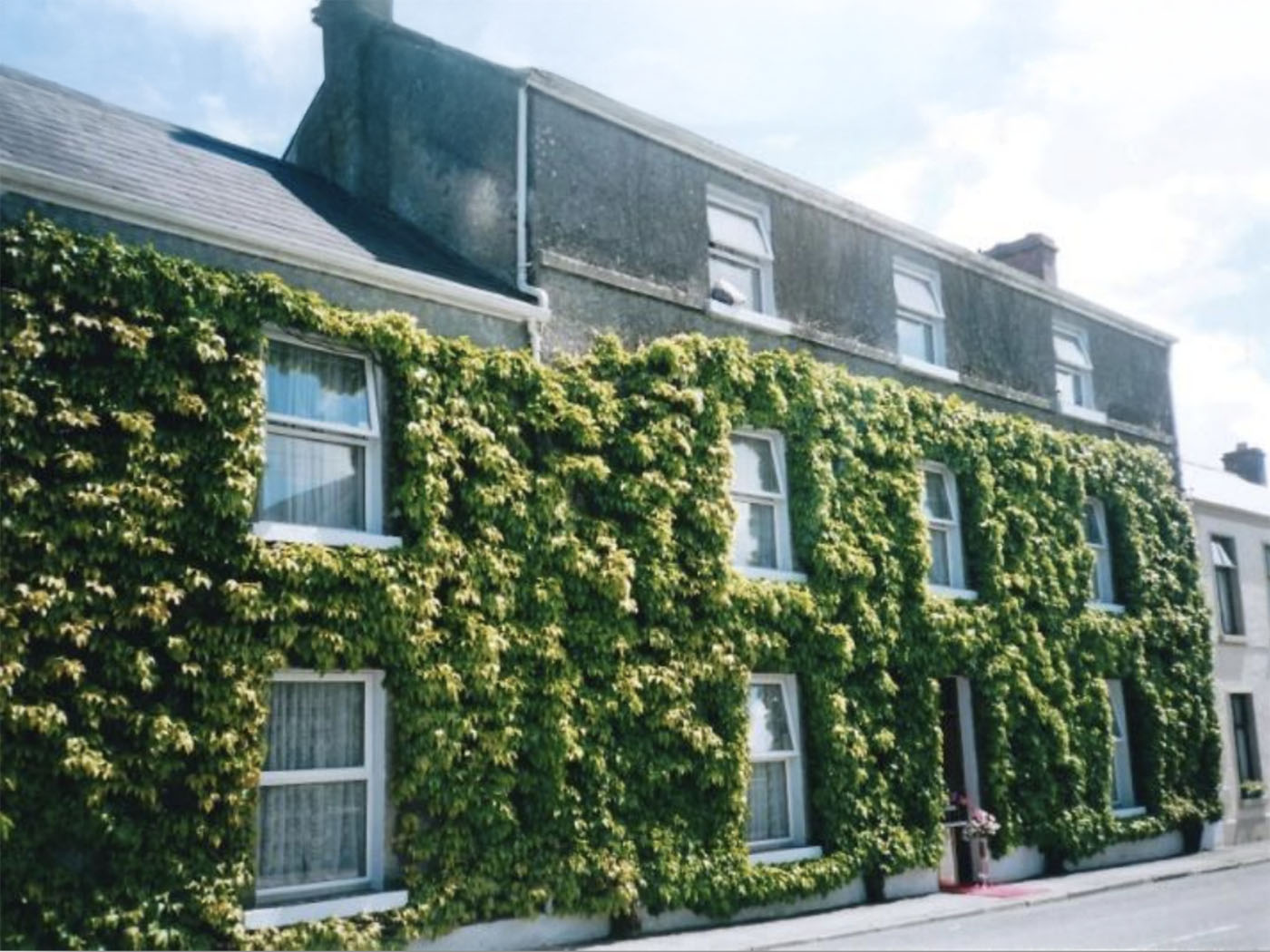
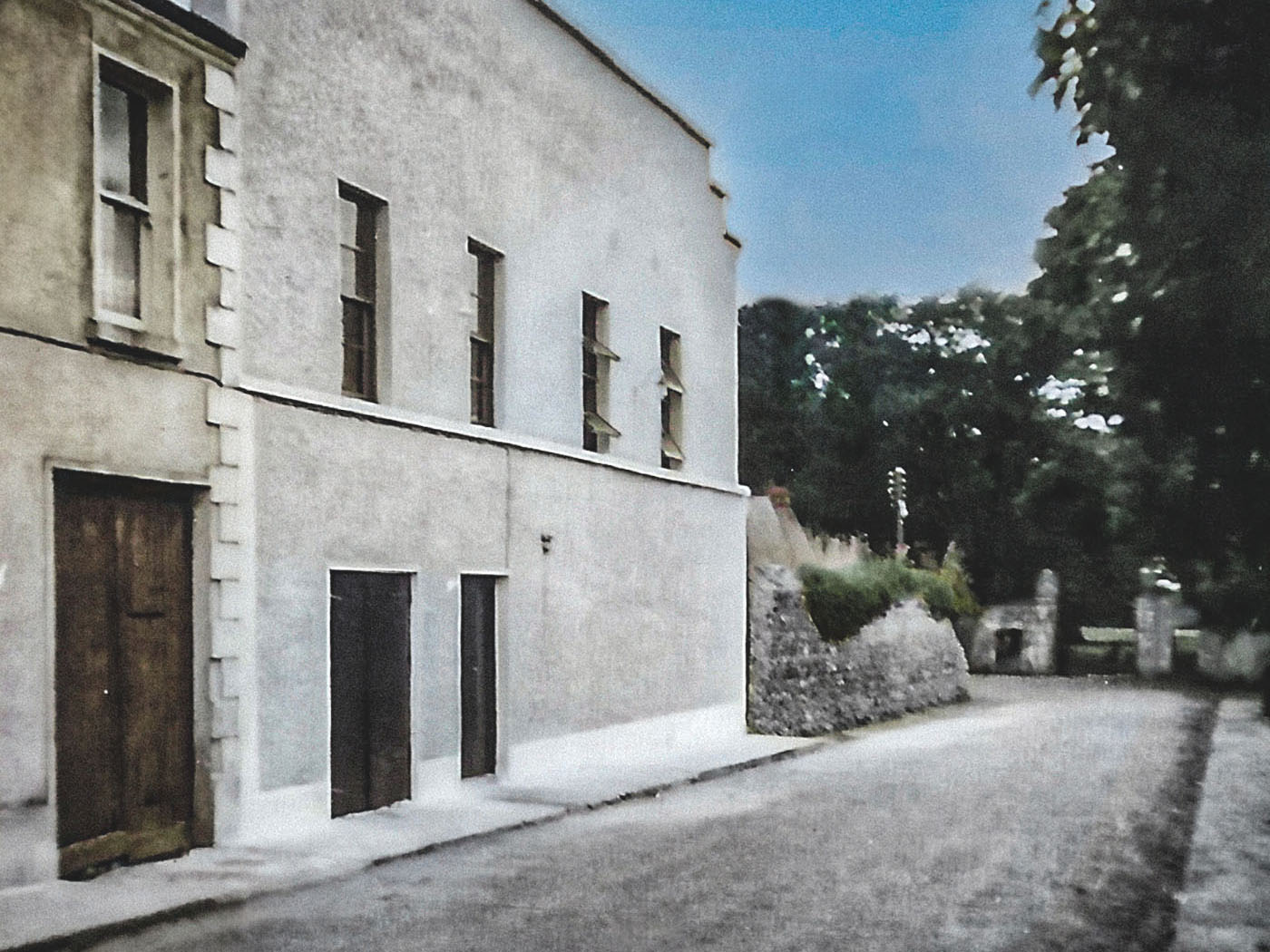
Historic links with the 1916 Easter Rising and training venue of the Irish Volunteers
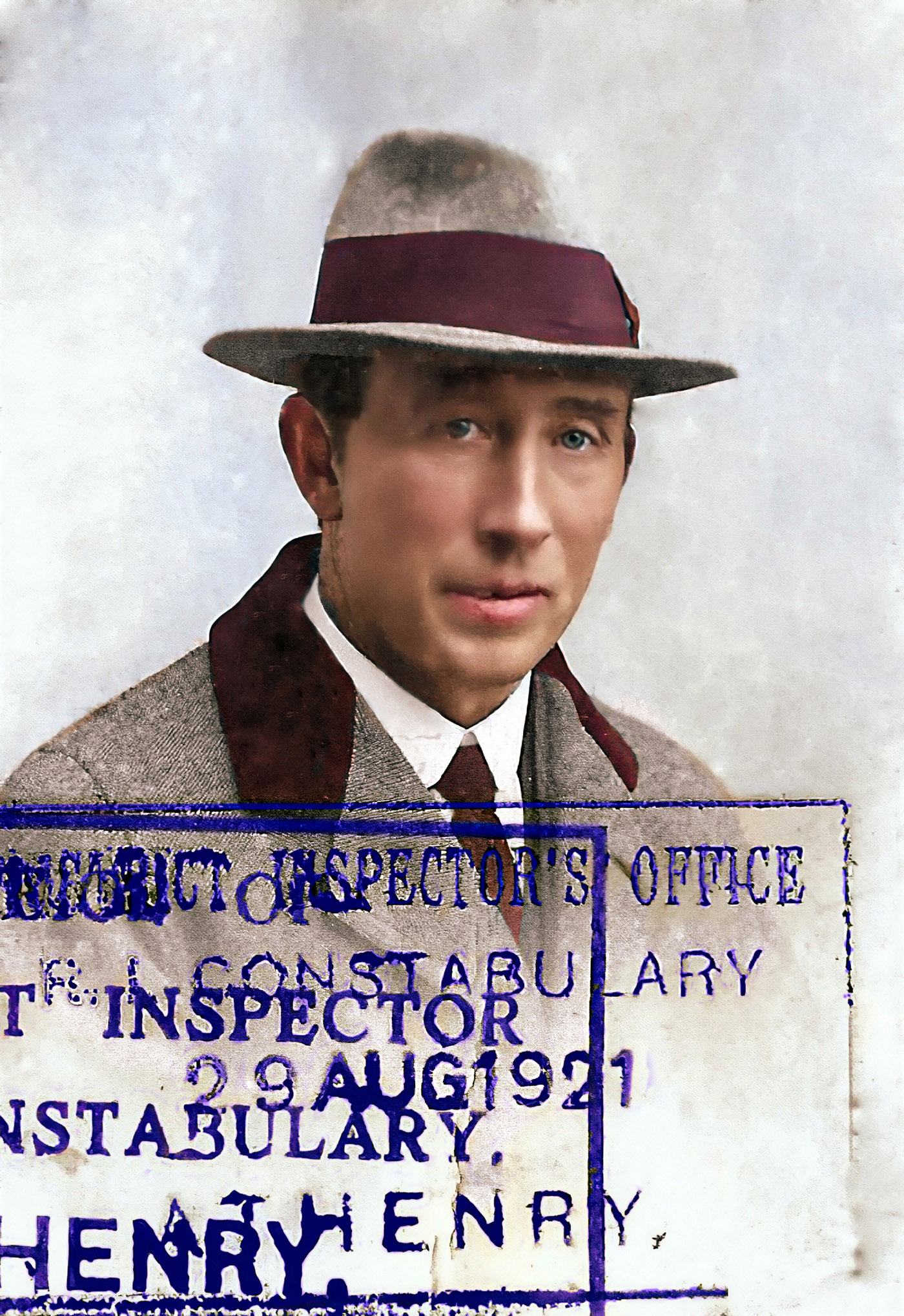
Richard 'Dick' Murphy
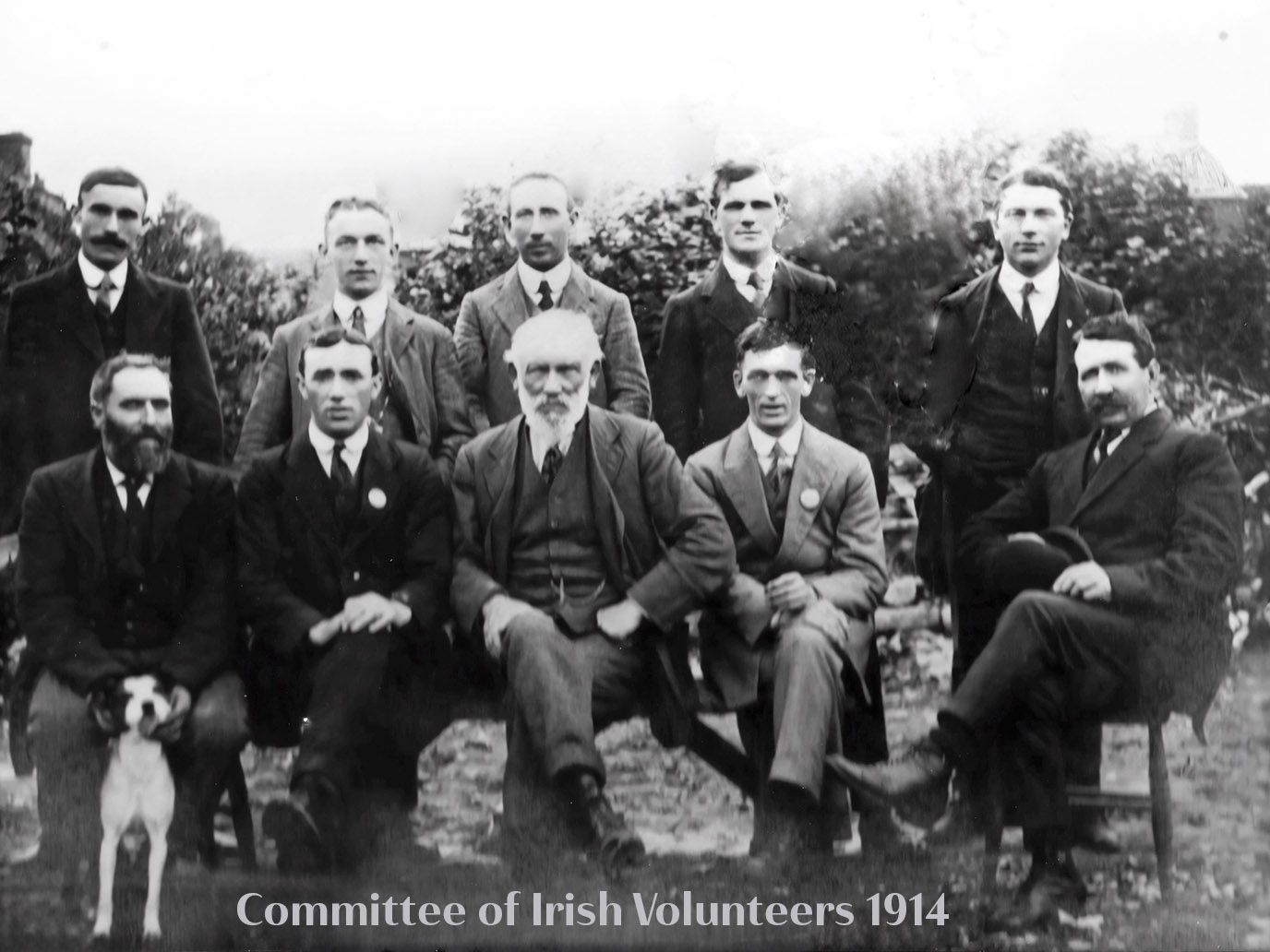
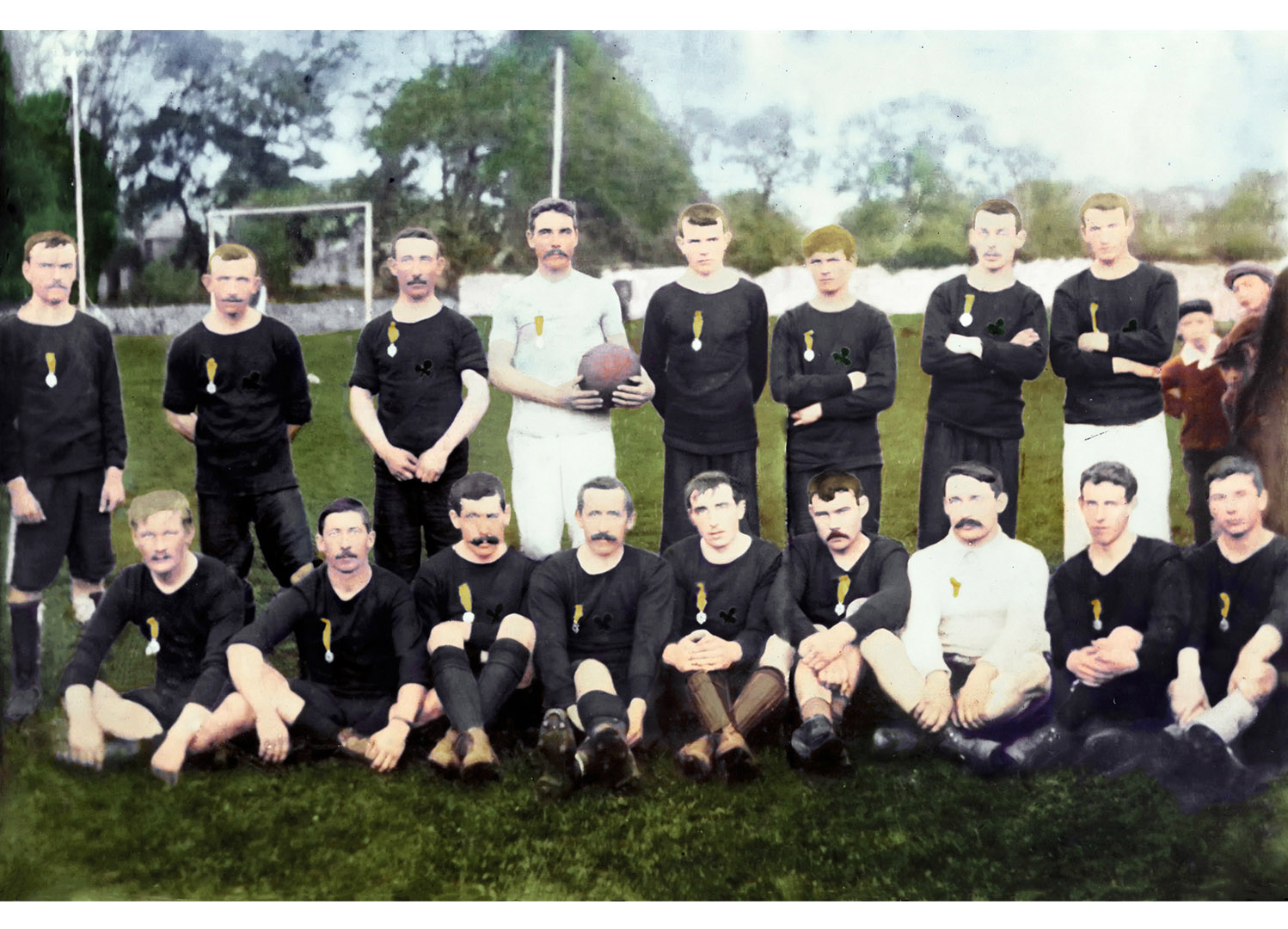
This photograph of the Athenry Volunteer Committee is well known. Dick Murphy is in the centre, back row. To the left is Stephen Jordan with whom he 'went on the run' around County Galway after the Rising. Both were later sent to Frongoch Prison where Stephen Jordan ran the shoe repair shop while Dick assisted - but was described as 'wasting the King's leather'. To the far right, seated on the chair, is Thomas B. Cleary whose family business built both the house and the Town Hall for Dick Murphy. Thomas B Cleary was known as the Old Fenian.
Dick Murphy was the Athenry IRB Centre (also County Galway Centre and Connacht Centre). The photograph was taken in Dick Murphy's back yard (with the houses on Old Church St visible behind them). The use of the house and Town Hall was given to the Volunteers for meetings etc. and free accomodation for visiting republican leaders, including Liam Mellows, Padraic Pearse, Michael Collins, Eamon De Valera and Thomas Clarke (The street where the house is located was later named Clarke Street in his memory).
The Irish Volunteers assembled there during the 1916 Rising before heading to take over the Agricultural Model Farm and then on to take Moyode Castle.
Athenry was one of only four areas in the country to 'come out' during 1916 Rising. Dick Murphy his home and Town Hall will forever be linked to the War of Independence and a place in Irish History.
|
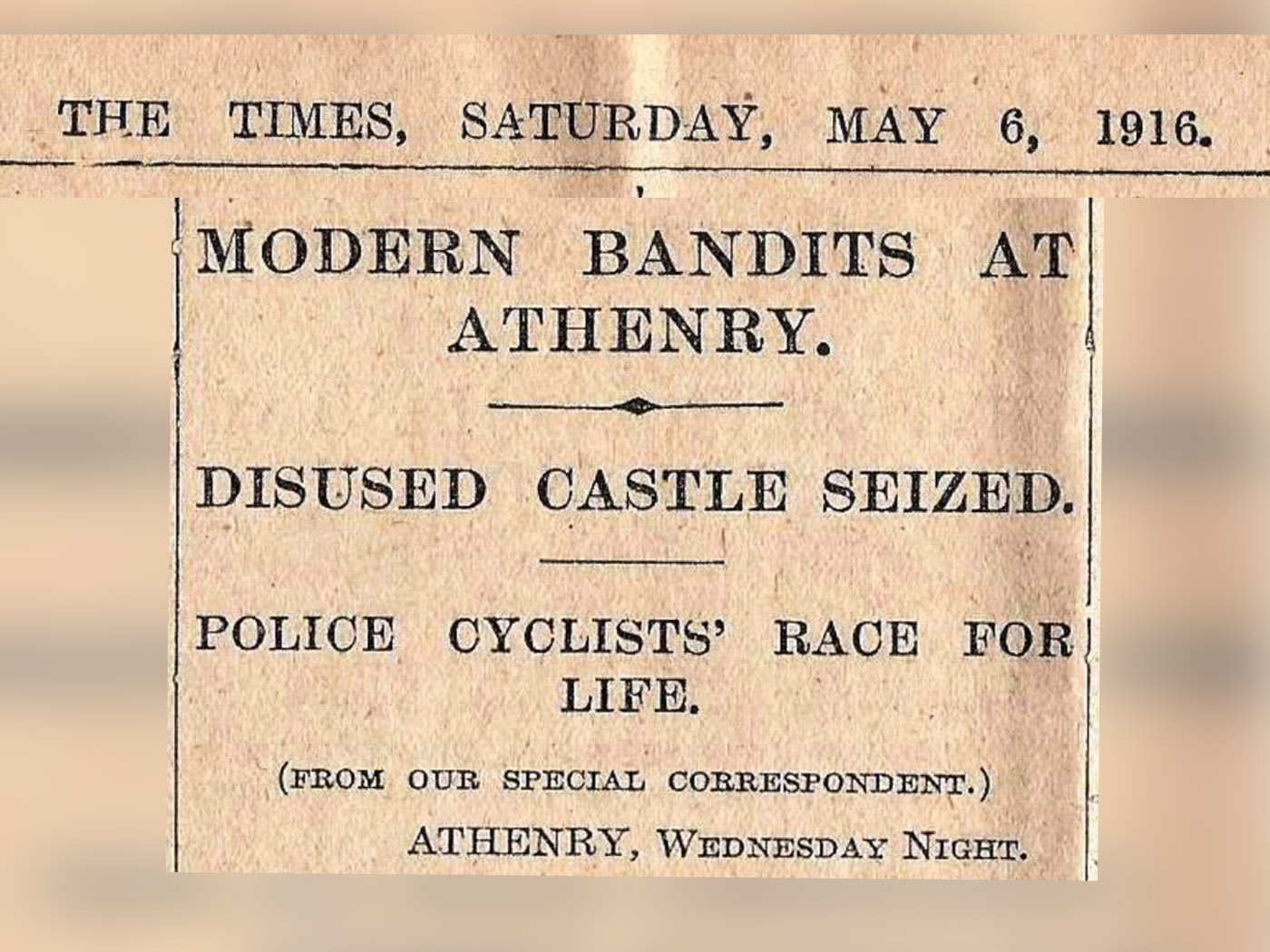
The village of Athenry, the storm-centre of many a disturbance in the old days of turbulence, where the Fenian " Invincibles" found their last foothold, was bound to play a part in the drama of the last 10 days, but I little suspected how strange that part had been. Bandits in a disused castle, highway robbery, a race for life between cyclists and motorists, a hunt for outlaws among the mountains-these are the leading chapterof a story which, if l had not received it from an unimpeachable source, should have dismissed as incredible. The Sinn Feiners, according to the police, spent Easter Monday making bombs. Late on Tuesday night they mustered, about 1,000 strong, outside the Town Hall, armed with rifles, shot-guns, pikes rakes, and four-pronged pitchforks, or " gripes", as they are called in these parts. Only the “officers" were in uniform. At their head was a " Captain" Mellows, who was deported to England a month ago as an organizer of sedition, but somehow escaped. It is said that he returned to the district dressed as a priest. He is described to me as a small, fairman, aged about 30, with a small face and small eyes, and wearing glasses. MOYODE CASTLE OCCUPIED. From the Town Hall the rebels marched to an experimental farm of about 600 acres, not far from Athenry, carried on by the Irish Department of Agriculture. Here they passed the night, and when they left the next afternoon they took with them horses and carts laden with all the butter, flour and other foodstuffs they could find, four tons of oats, a quantity of bran and a few sheep. Without serious opposition from the handful of police in the district they marched to Moyode Castle, three or four miles south-east of the village, and took possession there. The castle, which stands in a park of about 1,000 is a picturesque but rather modern reproduction of abattlemented creeper-clad Tudor residence. It was owned by Lord Ardilaun, who died last year, but for at least 30 years it has been un-occupied except by caretakers. I chatted this afternoon with the present custodian, John Shackleton, and his 18-year-old daughter, Maisie, who, with Mrs. Shackleton, were at the castle when the rebels arrived. They said that the men were under excellent control. |
Murphy's Home 'Liberty Hall", Athenry, with the Union Jack flying from the Chimney
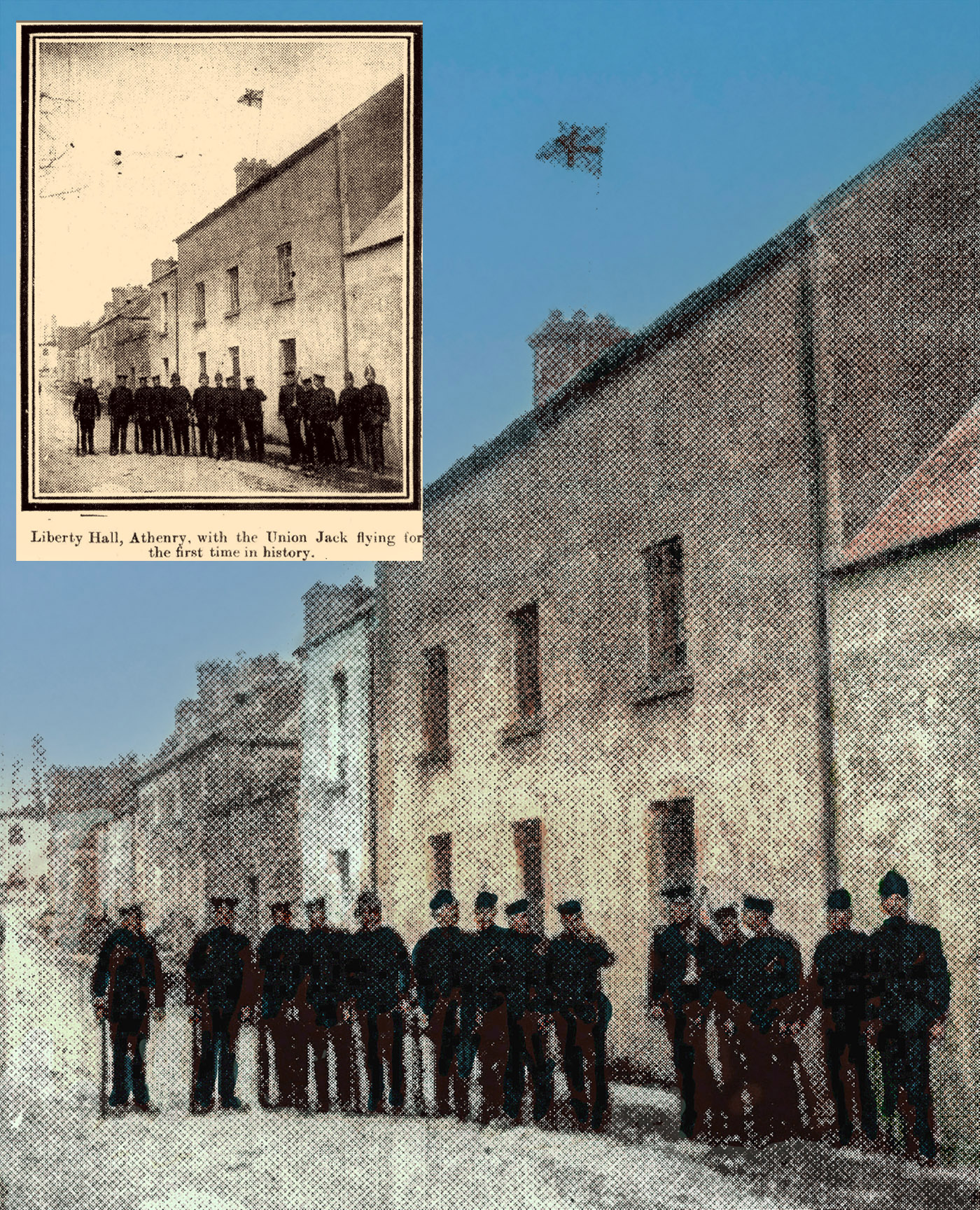
Richard Murphy's House
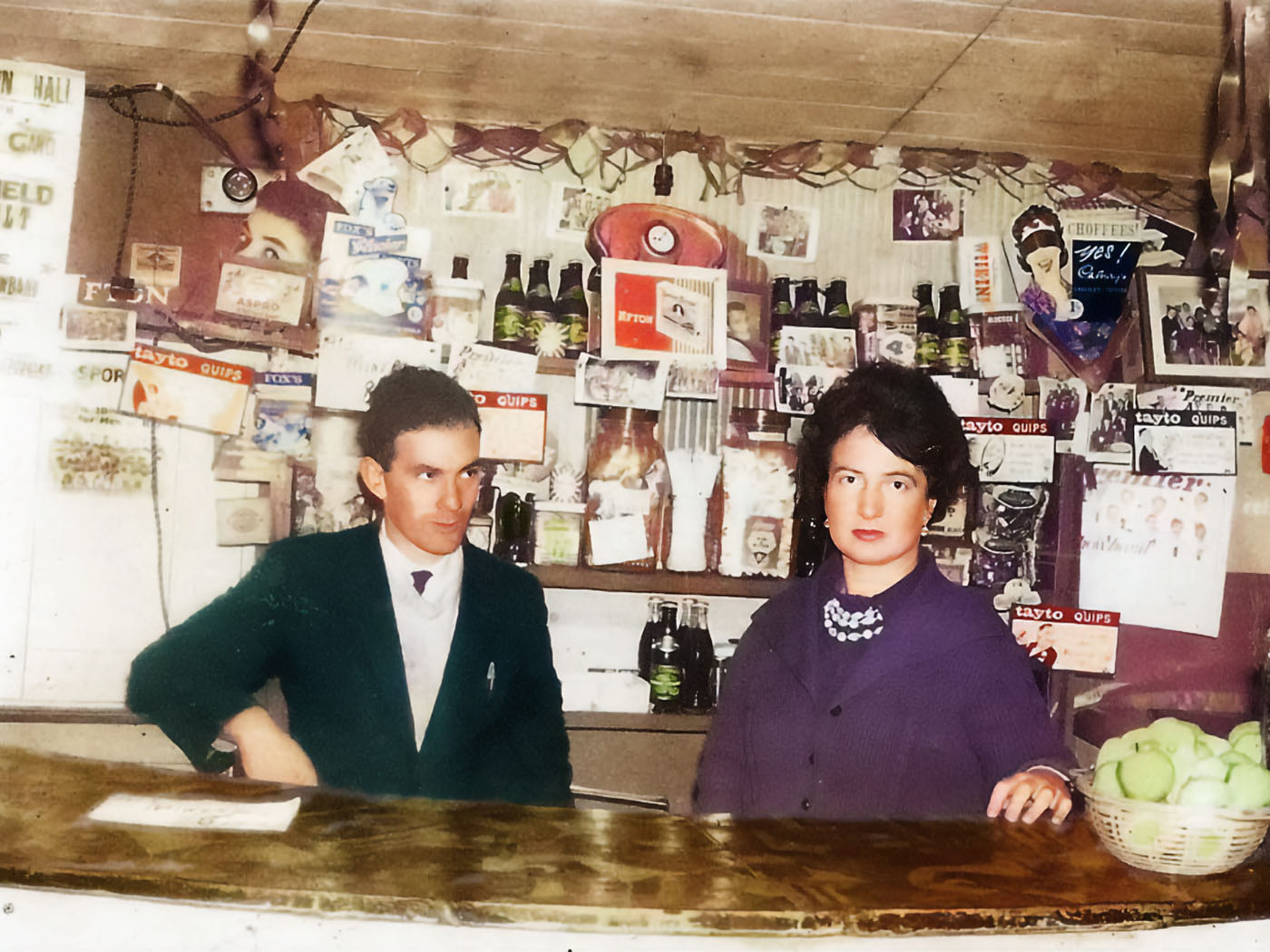
Town Hall Mineral Bar

Town Hall Mineral Bar
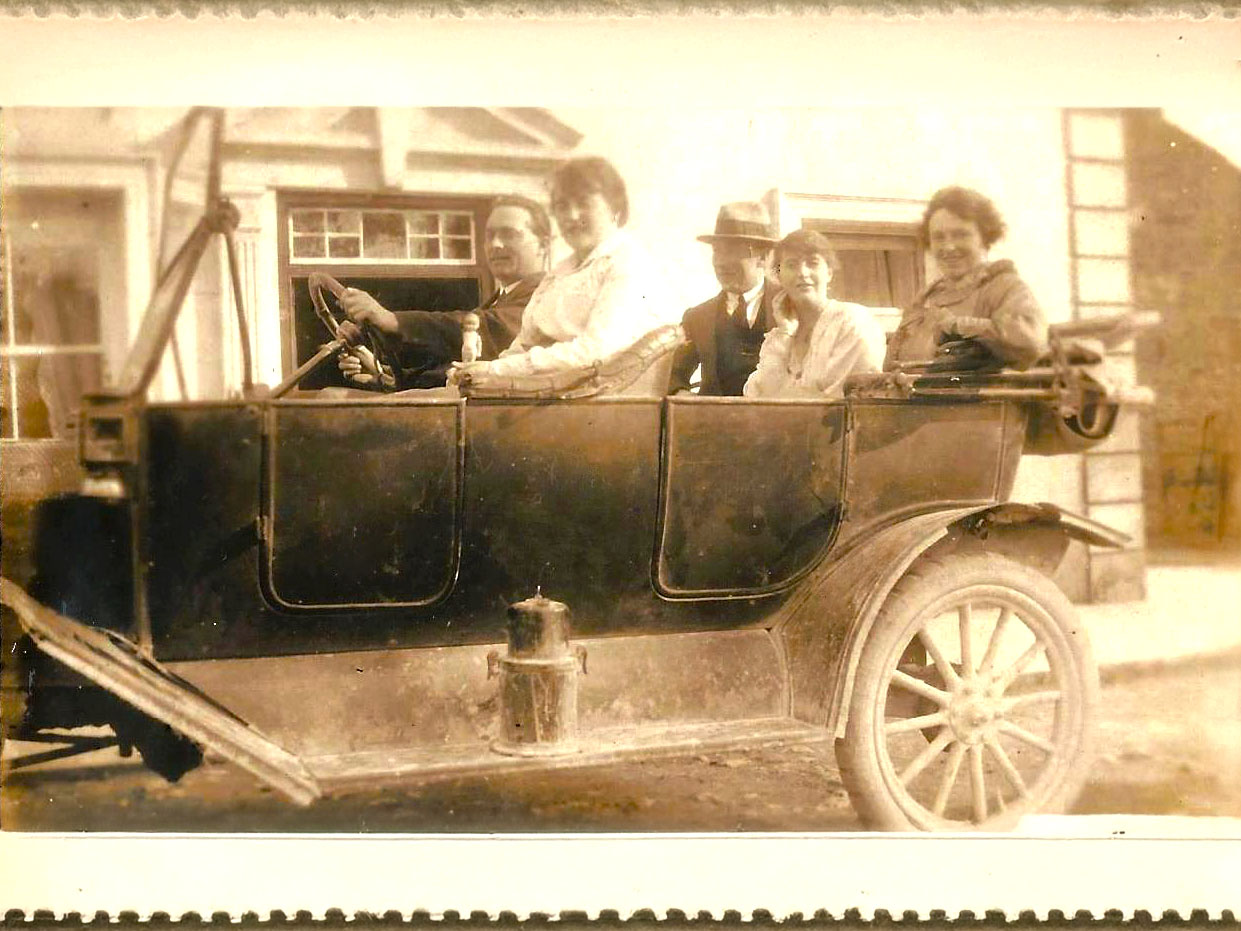
Model T Ford
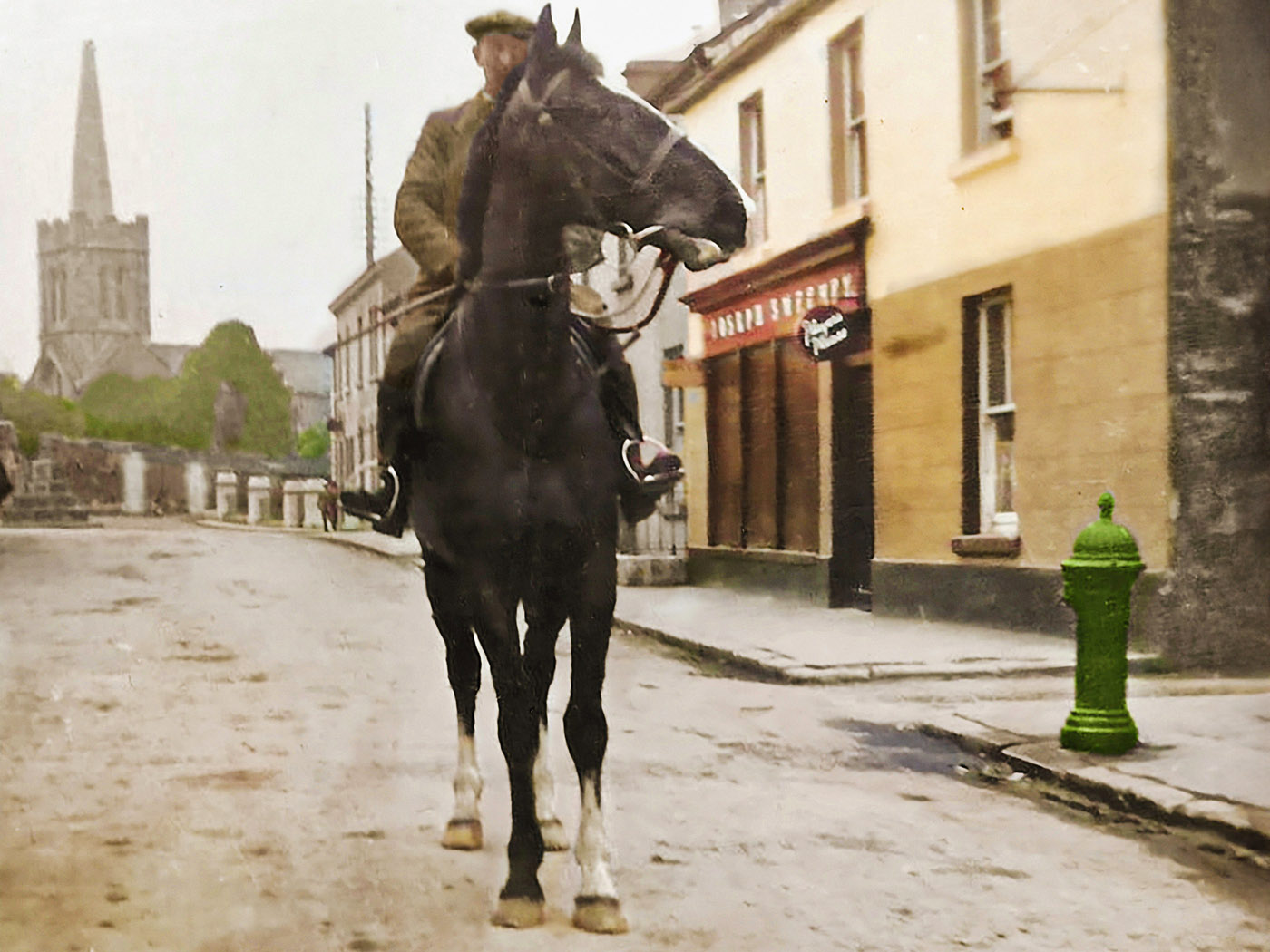
Richard Murphy at Cross Street
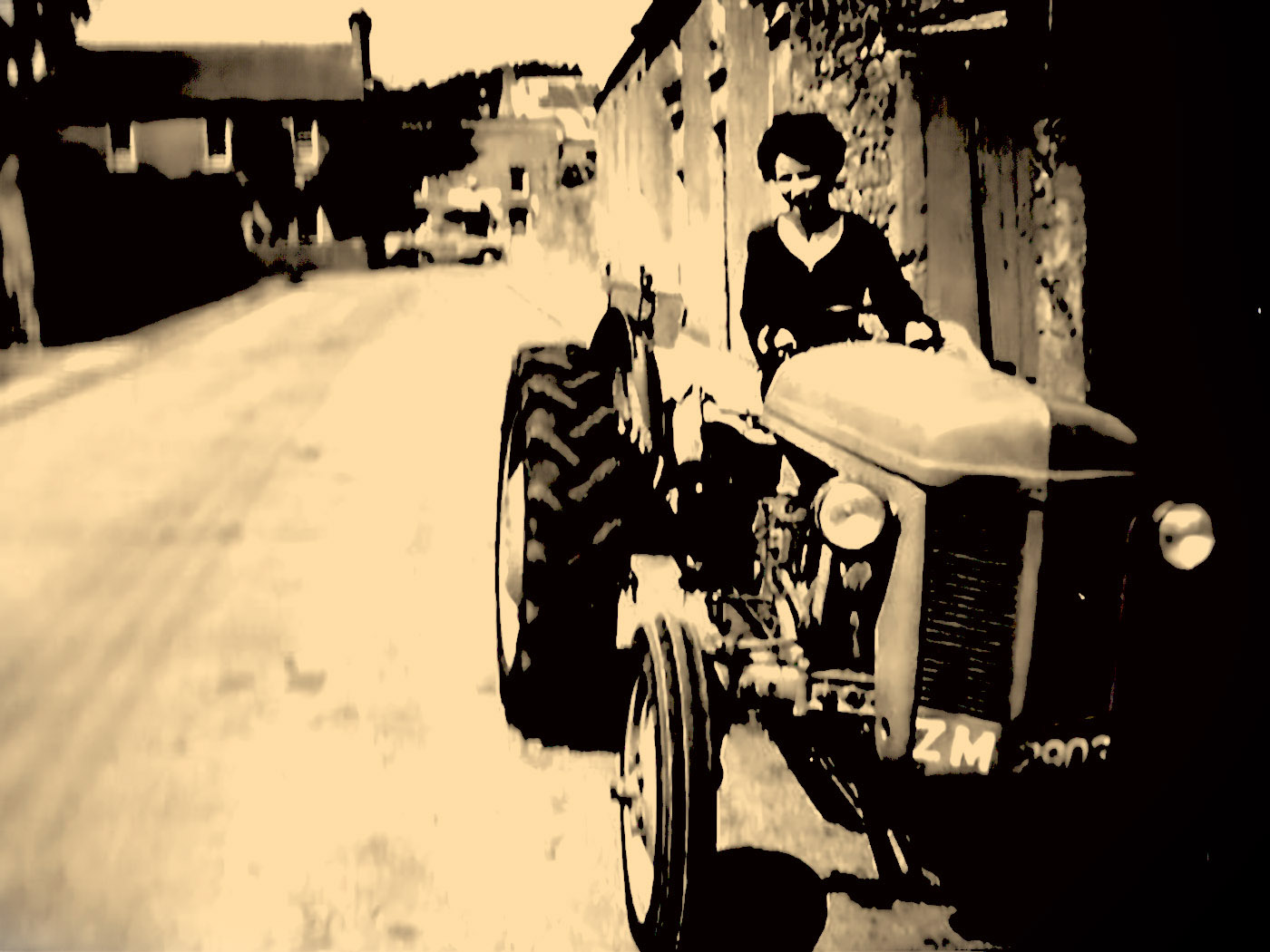
Clarke Street 1950's
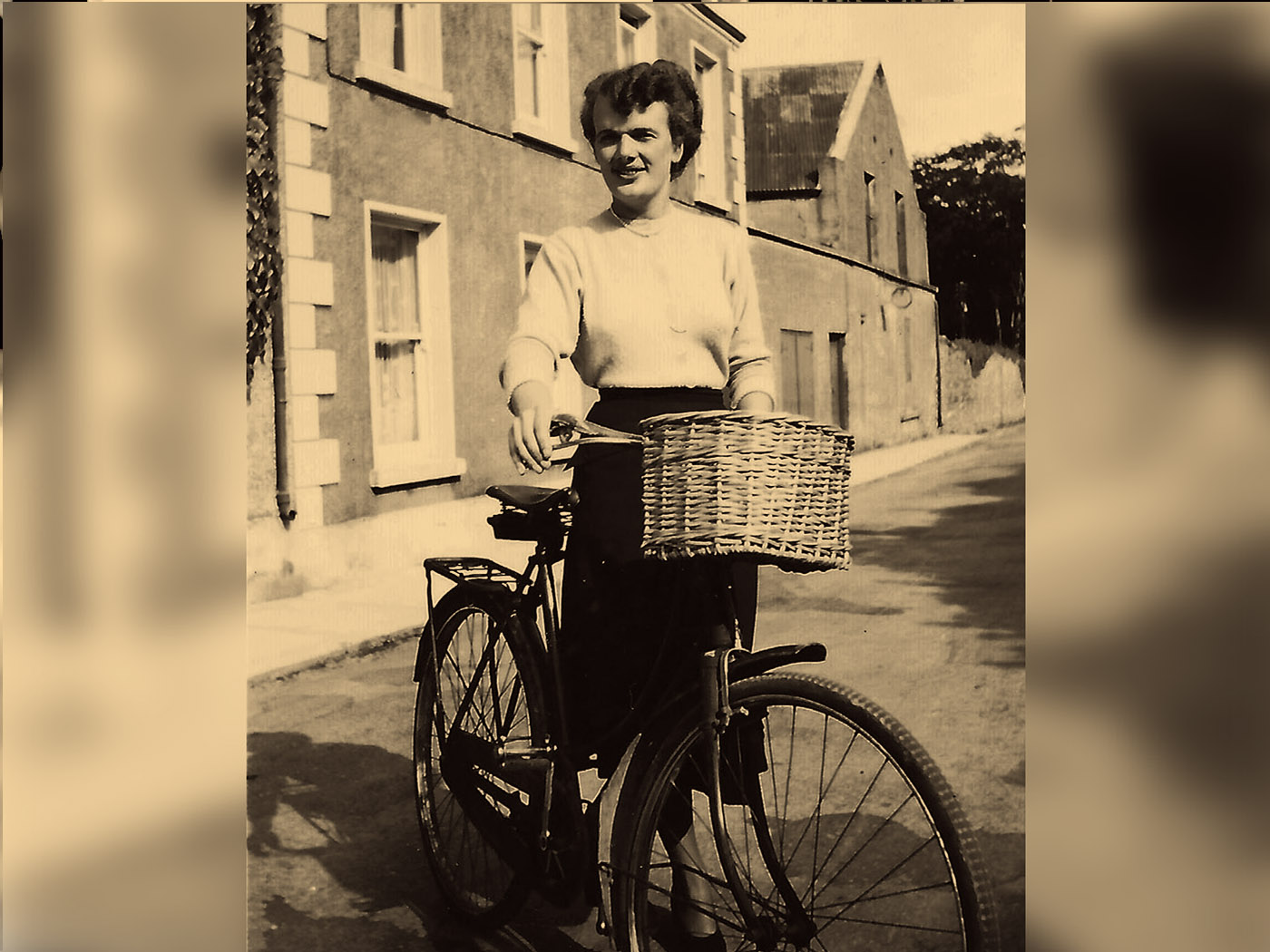
Background Old Town Hall
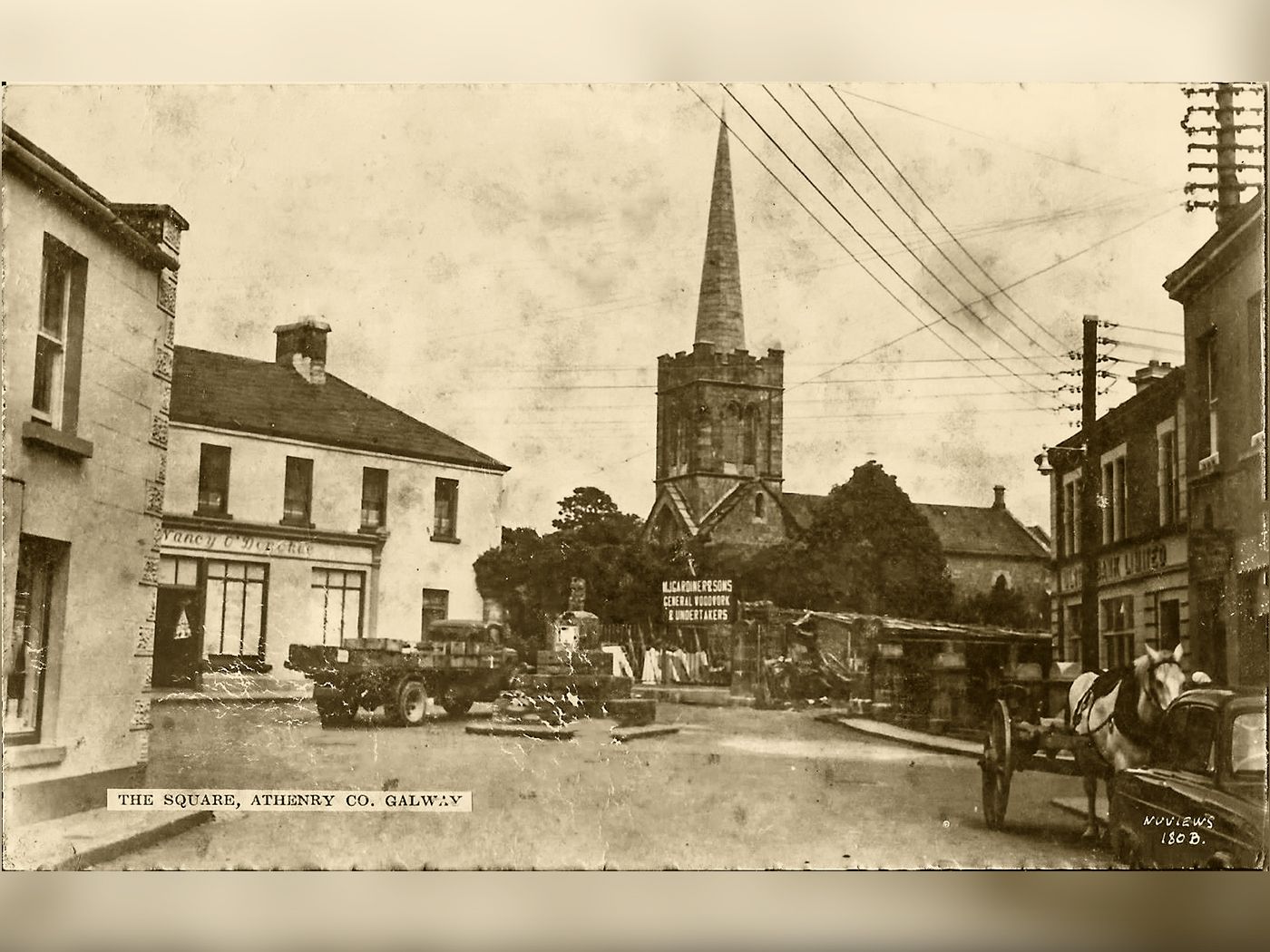
Post Card of The Square
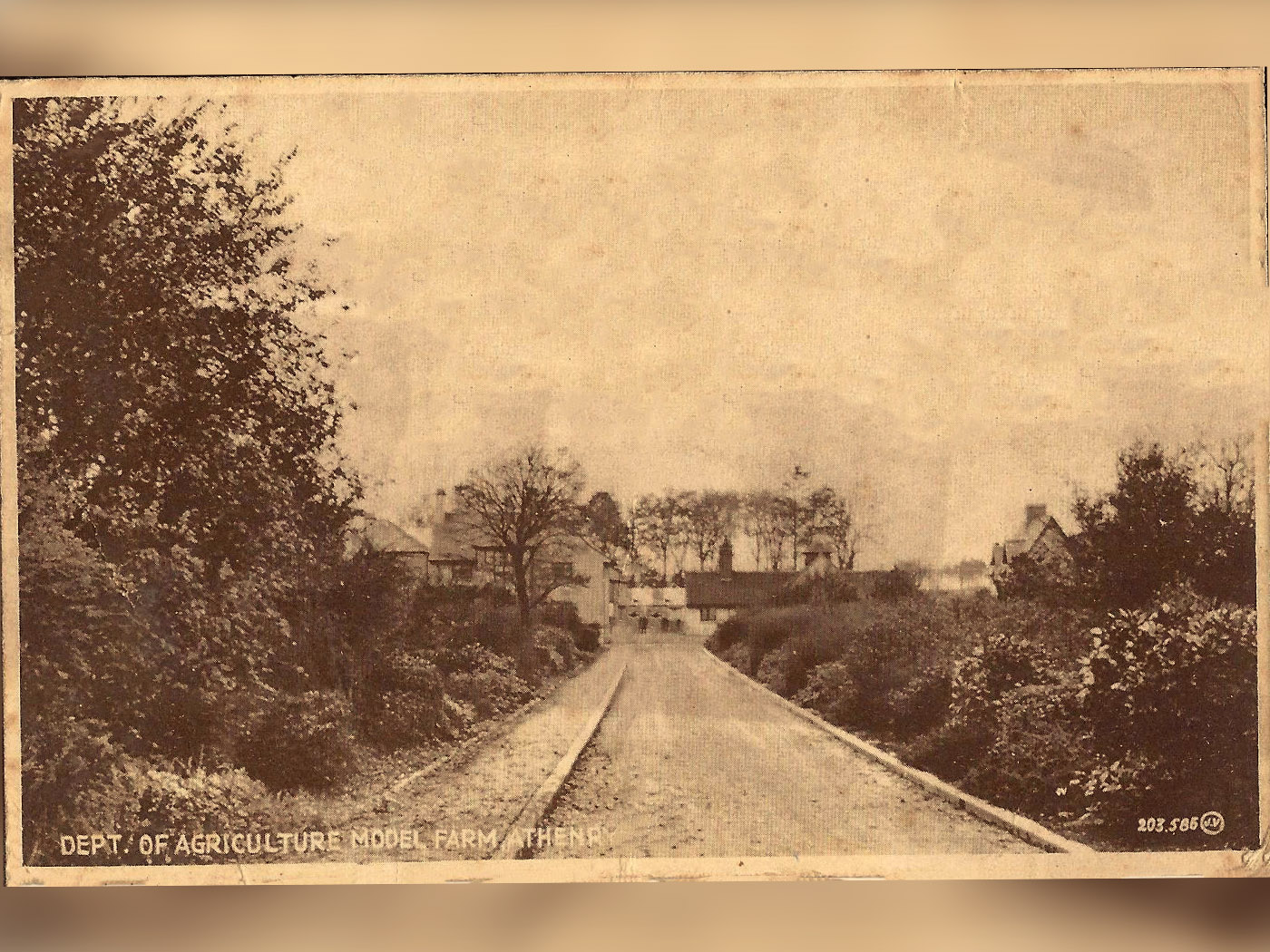
Model Farm Athenry
Athenry Town Hall & Cinema Journals & History
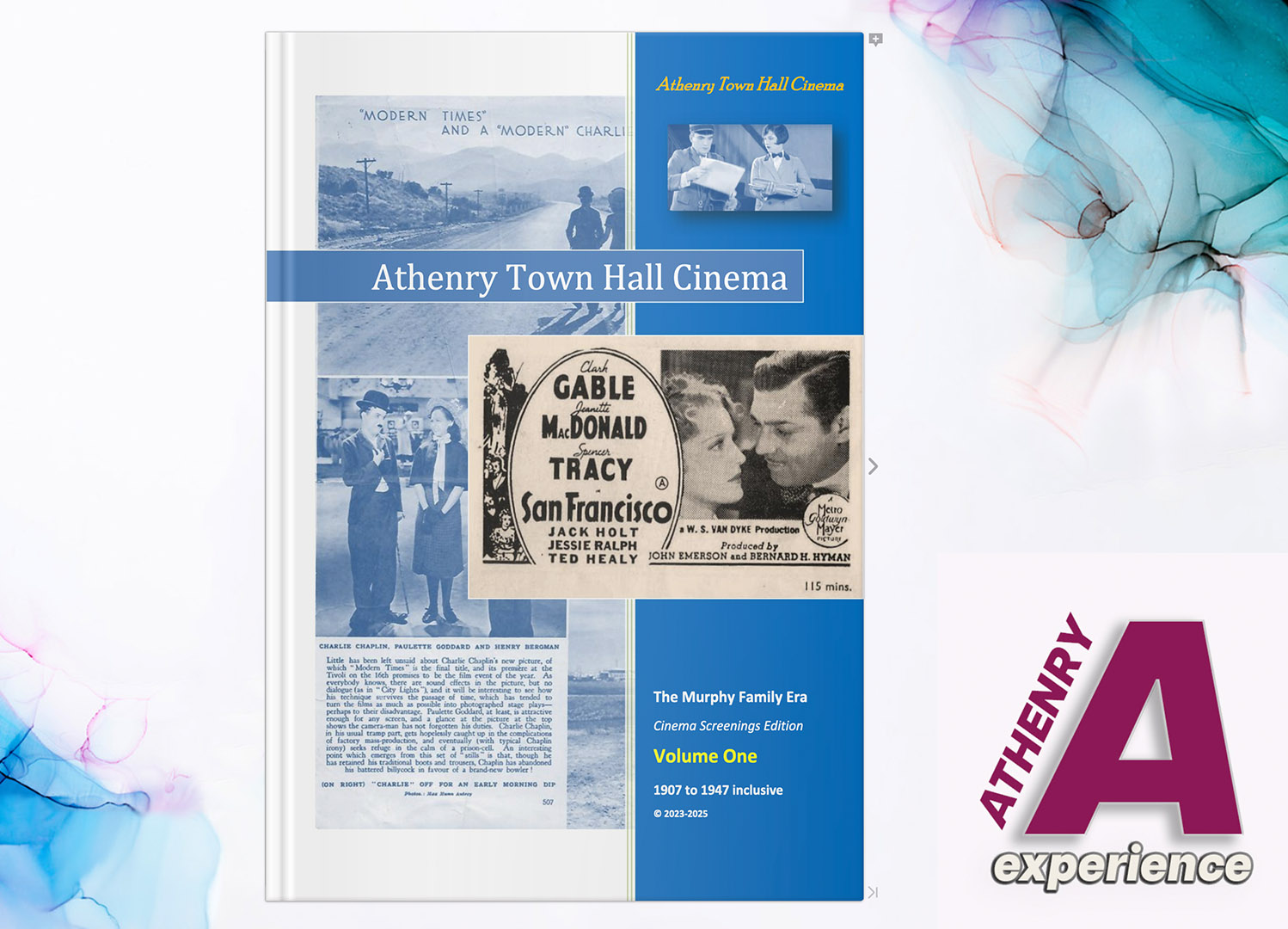
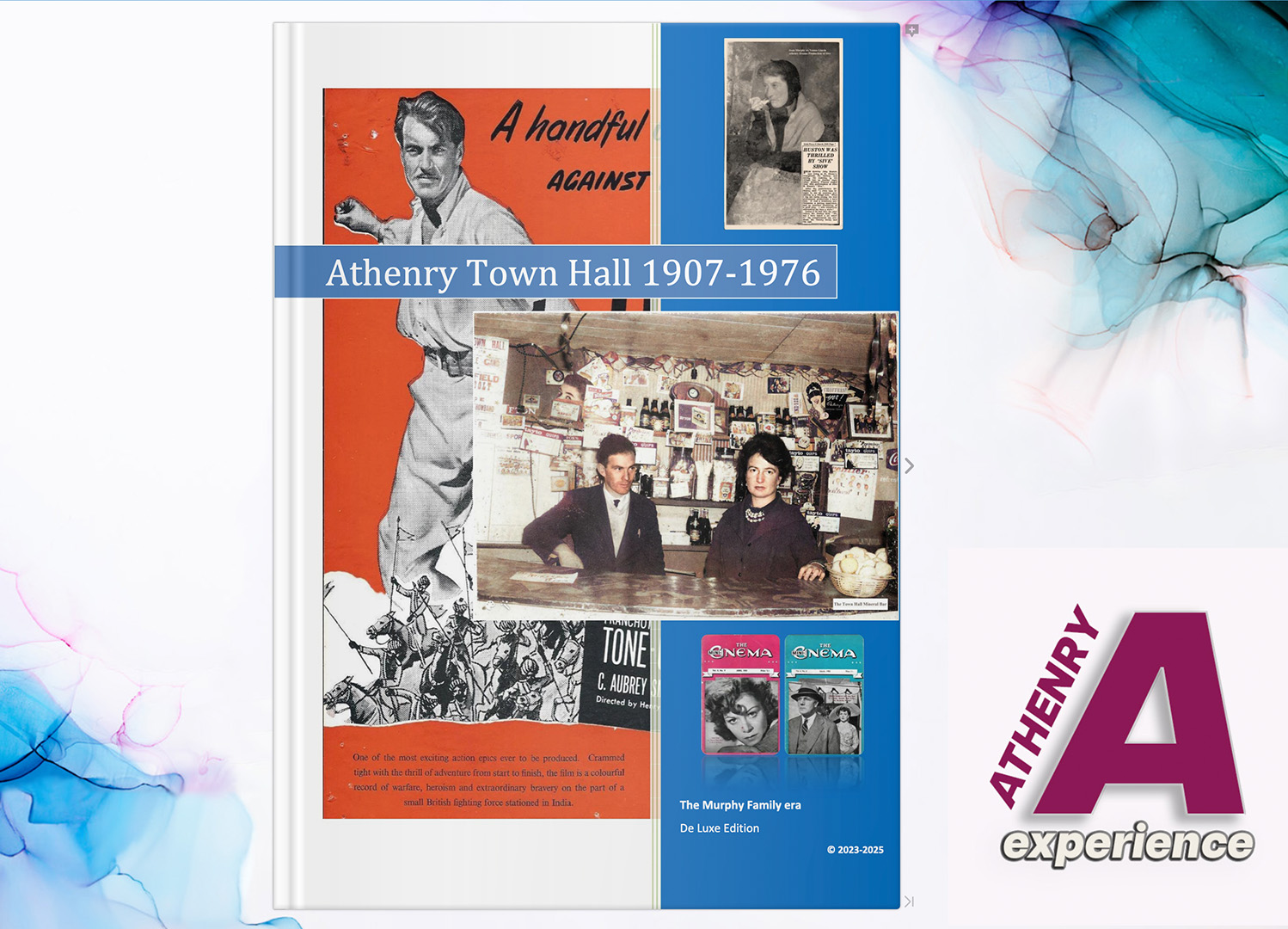
Click on Image to view a Digital Flip Book Version of Books